
_edited.png)

How Long Does DJ Setup Take Before an Event?

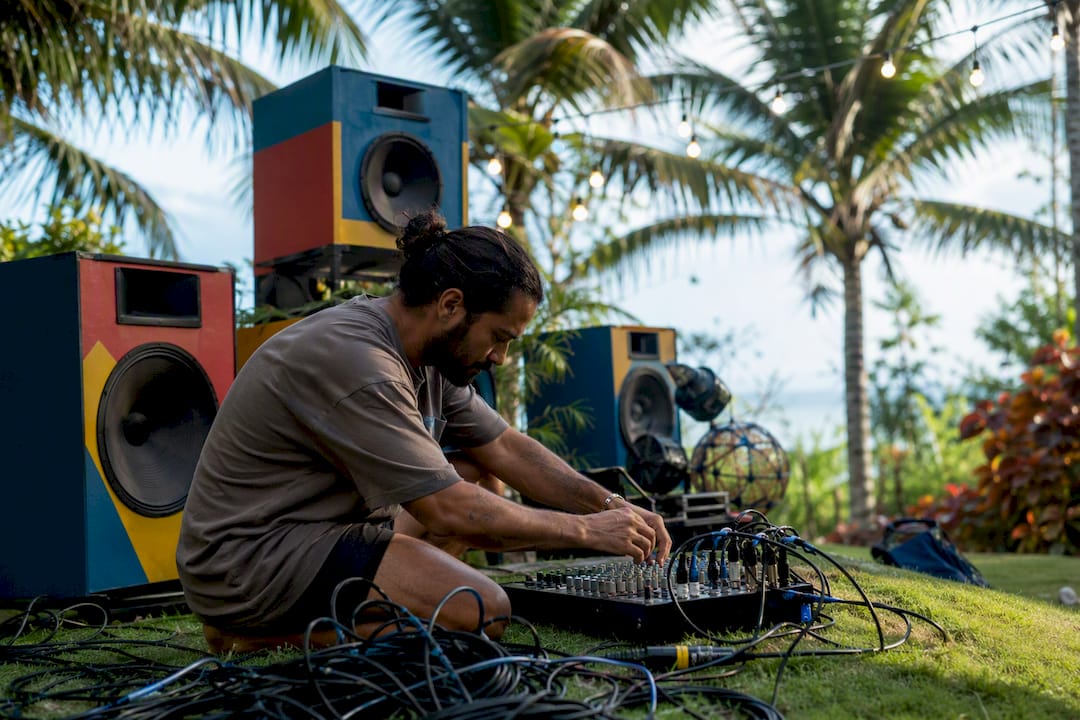
Most DJs need 60 to 180 minutes to set up, and we recommend booking your load-in window 90 to 120 minutes before your start time for a standard reception. A wedding DJ typically needs 1.5 to 3 hours to load in gear, build sound and lighting, run cables safely, and finish a full soundcheck.
Here’s the quick breakdown:
Basic setup (speaker + controller): 30 to 60 minutes
Medium setup (full sound + lighting + mics): 90 to 180 minutes
Large/production setup (ceremony and reception, staging, outdoor power): half a day or more
Pro Tip: Build in a 15-minute buffer even after your DJ says they’ll be done. Guests trickle in early more often than you’d expect, and a buffer means you’re never scrambling.
The math behind that 90 to 120-minute rule is simple: it covers unloading, cable runs done safely, speaker and lighting placement, and a real soundcheck instead of a rushed one.
TL;DR:
Confirm load-in access, power sources, and sound limiter restrictions early to ensure realistic timing based on venue layout and infrastructure.
Rushing setup increases the risk of cable hums, mic interference, trip hazards, and poorly aimed lighting, which can disrupt the event.
A standard reception DJ setup typically requires 90 to 120 minutes, with smaller setups taking less than an hour and large productions needing half a day or more.
Incorporating a 15-minute buffer after the planned load-in window helps accommodate early guest arrivals and avoid last-minute scrambling.
Standardized packing, pre-rigged gear, and a 48-hour confirmation routine are critical practices for ensuring quick and reliable setup across different event sizes.
Table of Contents
What Actually Takes Up DJ Setup Time?
Setup isn’t just “plug it in and go.” Here’s what eats the clock, roughly in order:
Load-in — carrying gear from the vehicle to the setup spot. Stairs, long hallways, or no elevator can add 15 to 20 minutes on their own.
Speaker placement and cabling — running speaker cables, connecting DI boxes, and hooking up the mixer or controller. Longer cable runs mean more time taping them down.
Lighting rigging — mounting stands or trussing, aiming fixtures, and programming scenes for the room.
Cable management — taping down every run across walkways so nobody trips near the dance floor.
Soundcheck — testing speaker levels, checking wireless mics, and scanning for interference before guests arrive.
Pro Tip: Ask your DJ how they handle cable safety before booking. Gaffer tape and cable ramps aren’t optional extras. They’re the difference between a clean floor and a lawsuit waiting to happen.
Basic, Medium, or Large: What Sets the Time Bands Apart?
Setup complexity, not just gear quantity, drives how long the clock runs. A basic install (one speaker, a controller, minimal cabling) can wrap in under an hour. A medium wedding or corporate setup with full sound, lighting, and microphones typically runs 90 to 180 minutes, which lines up with the 1.5 to 3-hour standard most wedding DJs plan around.
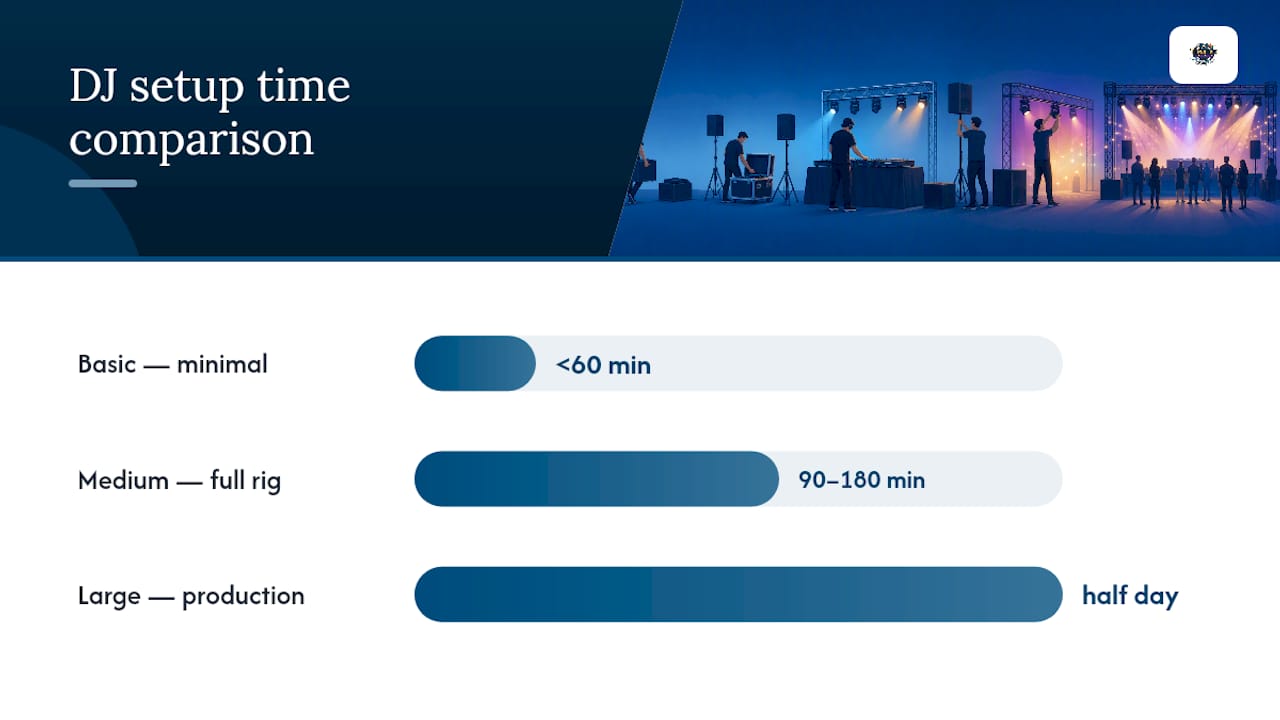
Large productions push past that. Ceremony plus reception coverage, elevated staging, or outdoor power sourcing can stretch setup to half a day.
What pushes a setup into a longer band:
Difficult venue access (stairs, tight elevators, long carry distances)
A separate ceremony space requiring its own PA system
Heavy lighting design with multiple fixtures to aim and program
Outdoor events needing generator power or weatherproofing
A room that’s already furnished, forcing gear around obstacles
One independent DJ’s setup log puts a personal routine at about an hour for setup and 45 minutes for teardown, with times climbing whenever the room layout is already locked in.
Copy-Ready Timeline Templates for Your Event
Steal one of these and adjust the numbers to your venue.
Small private party (start time 6:00 PM): arrival and load-in at 4:30 PM, cabling and speaker placement by 5:00 PM, soundcheck by 5:30 PM, buffer until 6:00 PM start.
Wedding with separate ceremony (ceremony 3:00 PM, reception 5:30 PM): ceremony PA setup by 2:00 PM, teardown and reception load-in from 3:15 PM, full reception setup complete by 5:00 PM, soundcheck by 5:15 PM.
Outdoor or large event (start time 4:00 PM): early load-in at 10:00 AM, staging and power runs by 12:00 PM, sound and lighting complete by 2:30 PM, soundcheck and daylight adjustments by 3:30 PM.
A few notes that apply to all three:
Build in buffer time between vendor arrivals so caterers, florists, and DJs aren’t fighting over the same doorway.
Outdoor and ceremony setups need more daylight and power planning than a standard indoor reception.
Our wedding reception DJ timeline example walks through a full reception schedule if you want a template with every hour mapped out.
What Venue Details Change Your Setup Timeline?
Before you lock in a load-in time, confirm these with your venue:
The exact load-in route, parking situation, and whether there’s elevator or stair access
Power outlet locations, whether the venue enforces a sound limiter, and any curfew on music
Whether the room comes pre-set with furniture, since moving tables and chairs around gear adds real time
Whether your contract needs a longer access window if the space has known access issues
Sound limiters and load-in restrictions often determine what equipment is even realistic to run, so this isn’t a box to check late. Ask early, not the week of.
What Goes Wrong When Setup Gets Rushed?
Skipping time doesn’t just stress out your DJ. It creates problems guests notice:
Loose or mispatched cables causing hums, buzzes, or dead channels mid-event
Wireless mic interference nobody catches until someone’s giving a toast
Un-taped cable runs across walkways, a real trip hazard near the dance floor
Rushed lighting aim that leaves half the room in shadow
Pro Tip: If a DJ tells you they can set up in 20 minutes flat for a full wedding reception, that’s a warning sign, not a selling point. Extra setup time isn’t padding. It’s what keeps a ground loop hum from ruining your first dance.
What Should You Confirm 48 Hours Before the Event?
Run through this checklist with your vendor two days out, then again the morning of.
48 hours before:
Confirm the exact load-in time and who’s the point of contact on-site.
Verify parking and load-in access one more time.
Confirm power source locations and any sound limiter in place.
Day of:
Vendor arrives at the confirmed load-in time, not “around” it.
Test all outputs and mic levels before doors open.
Reconfirm ceremony or program timing with the planner or venue coordinator.
Professional DJs run this exact two-step process, confirming logistics 48 hours out after an initial check weeks earlier. Paste language like this into your vendor email: “Please confirm your load-in arrival time and point of contact 48 hours before the event.”
Our full DJ event checklist has more sample language you can drop straight into a contract.
How Terrifficsentertainment Keeps Setup Fast and Reliable
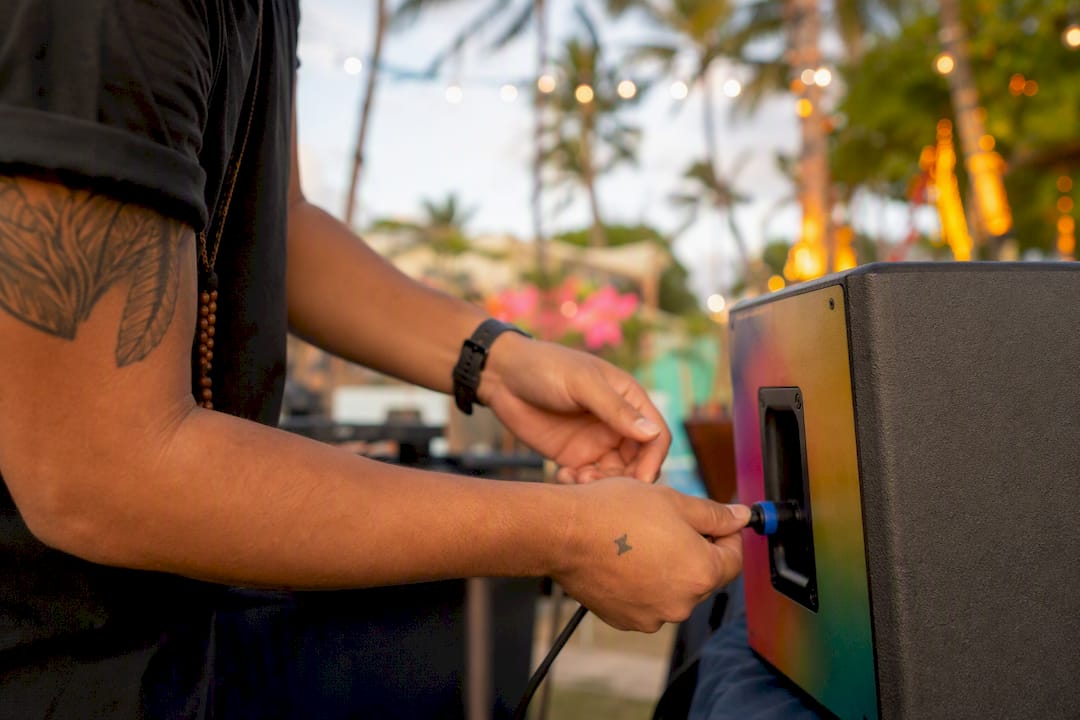
Speed without shortcuts comes down to routine. Standardized packing (labeled cables, cases loaded in the order they’ll be unloaded, dolly staging at the vehicle) shaves real minutes off load-in.
We run a written 48-hour confirmation routine before every event, covering load-in time, power, and access. On top of that:
Pre-rigged stands and speakers cut assembly time on-site
Powered speakers reduce cabling complexity
A generator plan sized before arrival avoids power surprises at outdoor venues
Labeled cables and standardized cases aren’t glamorous, but they’re what separates a DJ who’s ready 20 minutes early from one still hunting for an XLR cable at start time.
The Real Timing Mistake Planners Make
Most timing advice online treats setup like a fixed number you can plug into a spreadsheet. It’s not. The conventional wisdom says “book an hour” and moves on, which works fine until your venue has a freight elevator that fits one speaker case at a time.
What the research actually supports is a range with conditions attached, not a single number. A 1.5 to 3-hour window makes sense once you account for load-in distance, whether there’s a separate ceremony, and how much lighting is involved. Planners who skip that conversation and just ask “how long will setup take?” get an answer that doesn’t hold up once the venue throws a curveball.
Here’s what we’d prioritize first if you only do one thing: confirm load-in access and power before you confirm the timeline. Every other number in this article shifts depending on those two answers. A DJ can quote you 90 minutes all day long, but if there’s no loading dock and the elevator is out of service, that number is fiction.
— Terriffics
Book Your DJ Setup With Confirmed Timing
Terrifficsentertainment handles DJ sound and lighting setups across Oahu with a fast load-in and teardown process built around the 48-hour confirmation routine described above. We also offer photobooth, karaoke, and outdoor movie packages if you’re mixing entertainment for the same event.
When you request a quote, ask us for an explicit load-in window and mention if you need separate ceremony PA coverage. That one detail changes the whole timeline, and we’d rather build it into your contract now than guess on event day. If you’re weighing multiple entertainment options for the same date, our photobooth rental and karaoke rental pages show what pairs well with a DJ setup. Get in touch to lock in your date and your setup window together.
Key Takeaways
A reliable DJ setup depends on matching load-in time to venue access, confirming power and sound limits 48 hours out, and never compressing soundcheck to save minutes.
Point | Details |
Standard timing rule | Book load-in 90 to 120 minutes before start time for a typical reception setup. |
Match band to complexity | Basic setups run 30 to 60 minutes; medium setups run 90 to 180 minutes; large productions take half a day or more. |
Confirm venue access early | Ask about load-in route, power locations, sound limiters, and curfews before finalizing your timeline. |
Rushing creates real risk | Loose cables, mic interference, and un-taped trip hazards trace back to compressed setup windows. |
Terrifficsentertainment’s approach | Standardized packing, pre-rigged gear, and a written 48-hour confirmation routine keep Oahu setups fast without cutting corners. |
Sources
Recommended
Comments