
_edited.png)

What Venue Load-In on Oahu Really Means for Vendors
- Terriffics Entertainment

- 2 hours ago
- 11 min read
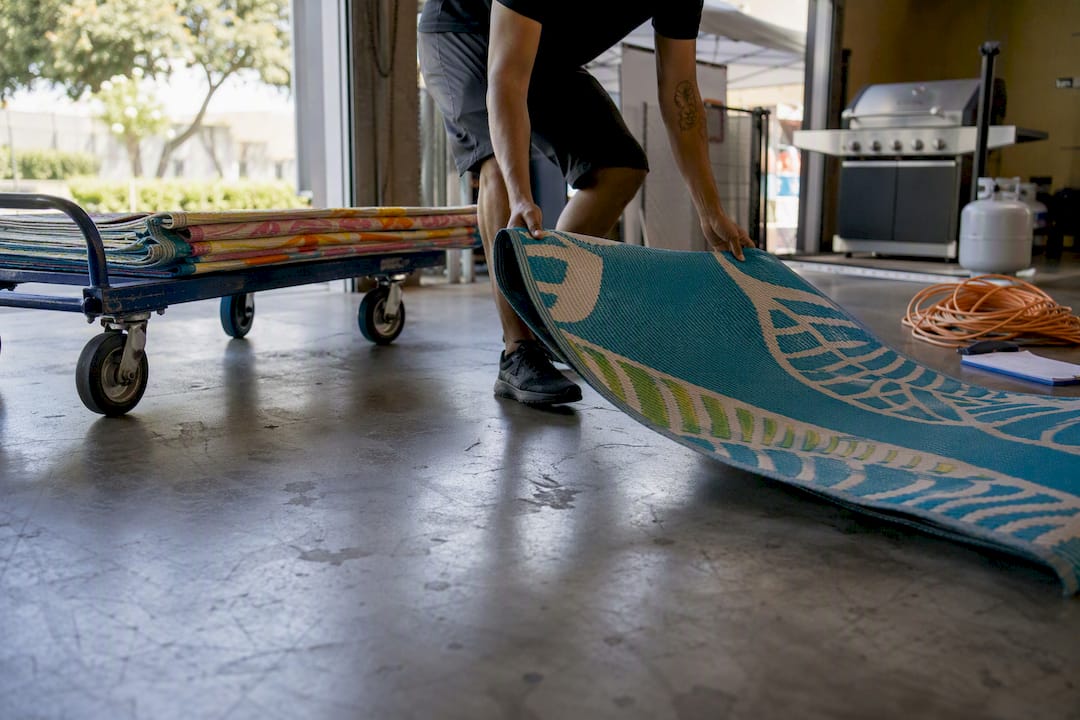
Venue load-in on Oahu means confirming your access window, paperwork, and day-of contact before your truck ever leaves Kapolei. The single most important move is locking down three things ahead of time: your venue’s load-in and load-out windows, a current certificate of insurance (COI), and a named event manager or coordinator you can text on the day. Skip that step and you risk fees, delays, or a rescheduled setup. Local vendors like Terrifficsentertainment build every booking around a documented setup and teardown checklist for exactly this reason.
TL;DR:
Confirm load-in and load-out times, insurance, and contact details at least 48 hours before the event to avoid delays or fees.
Measure door widths, elevator dimensions, and ramp slopes in advance to ensure equipment fits and to prevent last-minute obstacles.
Schedule vendors in a sequence from rigging and AV to decor and final touches, allowing staggered arrivals with buffer time for each phase.
Appoint a marshal or marshal role during load-in to manage truck flow, staging zones, and prevent equipment handling delays.
Use a local team familiar with Oahu venue rules to reduce risk, speed setup, and avoid penalties from overlooked regulations.
Table of Contents
What to Confirm Before Your Oahu Event Load-In
Most load-in headaches trace back to something that should have been confirmed weeks earlier. Build your pre-event checklist around four categories, and start it the moment the date is signed.
2 to 8 weeks out, confirm the contract items:
Certificate of insurance submitted to the venue’s requirements, not just a generic policy
Complete vendor list shared with the venue, including subcontractors
Any liquor permits or right-of-entry approvals the venue requires separately from your contract
Confirm access details as soon as you have a floor plan:
Loading dock availability and hours, including whether it’s shared with other tenants
Elevator dimensions if your gear has to travel above ground level
Overnight storage options if setup happens the day before
Lock the timeline 48 to 72 hours before doors open:
Exact load-in window and the hard-out time when access closes
Grounds-lock or gate-lock times for outdoor venues
Whether early access requires an extra fee
Nail down who you’re calling on the day:
Venue event manager’s direct cell, not just a front-desk line
Dock captain or marshal name if the venue assigns one
A shared group chat for real-time updates among vendors
Terrifficsentertainment’s own pre-event prep guide walks through this same sequence for couples and planners booking DJ, photobooth, or karaoke packages.
Which Documents and Approvals Does a Venue Require?
Every Oahu venue has its own paperwork stack, but the pattern repeats across the island. Here’s the order to work through it.
Submit your COI early. Most venues want general liability coverage naming the venue as additional insured, submitted 7 to 14 days before the event. SALT at Kaka’ako’s event application requires a COI plus a complete vendor list before any load-in slot gets confirmed.
Fill out the facility-use form. Larger venues like the Hawaii Convention Center publish a full planning toolkit with insurance requirements and booking forms, and assign a dedicated Event Manager once you’re licensed to use the space.
Check for a coordinator requirement. Some Oahu venues go further than paperwork. Lanikūhonua’s rules require a professional event coordinator on site from setup through breakdown, plus a deposit and a separate fee if you need the tent up the day before.
Request special approvals in writing. Pyrotechnics, fire knife performances, or alcohol service almost always need a separate written request, often with its own insurance rider and a longer lead time than the standard COI.
Ask for these forms the day you sign the venue contract, not the week of the event.
How Do You Measure Loading Docks and Freight Elevators?
A DJ rig or a photobooth backdrop that doesn’t fit through the service door is a problem you find out about at the worst possible moment. Measure before you pack, not after you arrive.
Record these numbers for every venue, then keep them in your vendor file for repeat bookings:
Door width at the narrowest point along the route, not just the entrance
Corridor width, especially at turns where cases can’t pivot
Freight elevator interior dimensions, including diagonal clearance
Clear ceiling height along the path, particularly under sprinkler pipes or ductwork
Dock height relative to your truck bed
Weight limits on elevators, ramps, or temporary flooring
Some venues restrict oversize vehicles outright. SALT at Kaka’ako bans box-truck parking in certain structures and instead assigns a specific bay door or street-load zone for unloading. Ask which door applies to your vehicle size before you plan a route.
Once gear is inside, protect it and protect the floor. Carpet runners and furniture dollies cut handling time and prevent scuffed venue floors, which is its own kind of penalty risk. If a stair carry is unavoidable, plan for extra hands, and reserve a forklift ahead of time for anything on a pallet.
Pro Tip: Photograph the entire route from truck to setup spot on your site visit, and sketch a rough to-scale diagram. Your crew will move faster on event day when they’ve already seen the path.
Who Should Arrive First for Setup?
Sequencing prevents the pileup where three vendors show up at once and nobody can get a cart through the door. The order that works, almost universally:
Rigging and staging crews go first. Anything that hangs from a ceiling or needs floor marking has to be in place before other vendors start working around it.
AV and lighting follow. DJ sound systems, lighting trusses, and power runs need to happen before decor teams start placing furniture around cables.
Furniture and decor come next. Tables, linens, and florals fill in once the technical footprint is set.
Photobooth placement happens after decor. Backdrops and booths need a finished room to sit against, not a half-set one.
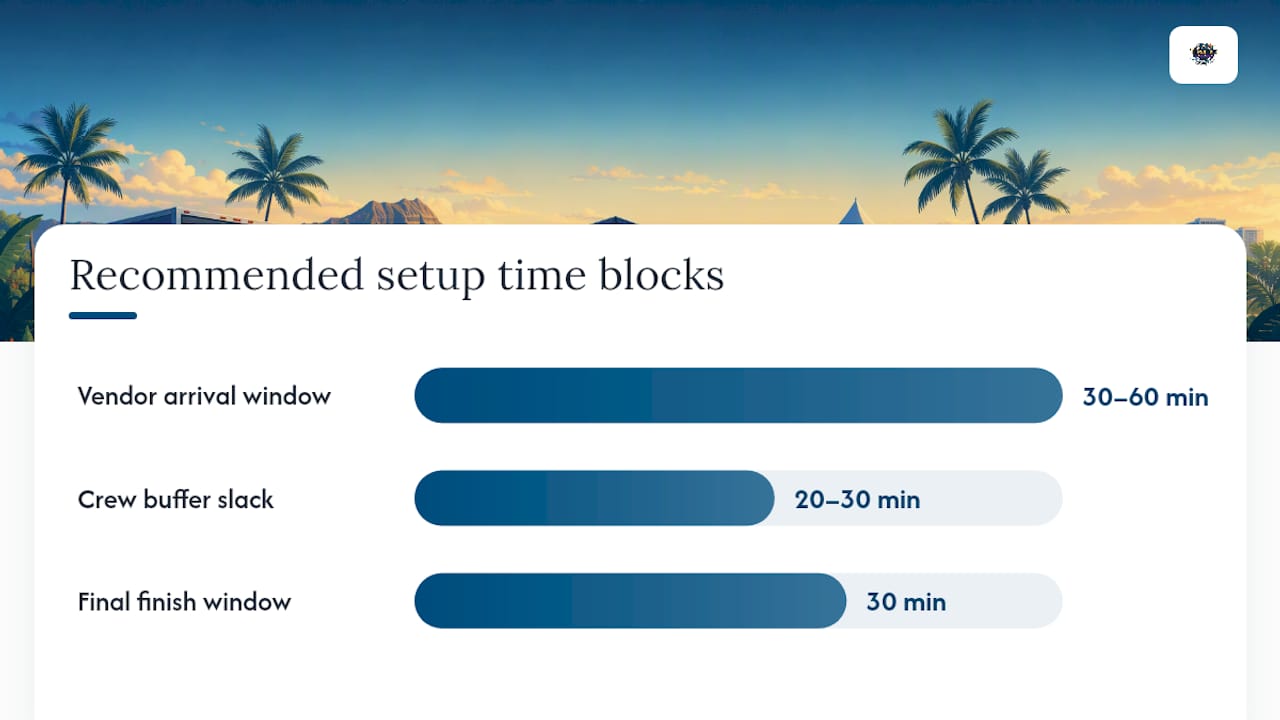
Final finishers close it out. Signage, place cards, and last-minute touches happen in the final 30 minutes before doors open.
Give each vendor a 30 to 60 minute arrival window instead of a fixed time, and stagger those windows when multiple vendors share one dock or entrance. The UNICA event logistics guide recommends exactly this dependency-based staggering to avoid the bottlenecks that come from everyone targeting the same clock-in moment.
Build buffer time into your labor call. If your crew is scheduled for a two-hour load-in, call them in with 20 to 30 minutes of slack built in, and label your truck-pack so the first cases off the truck are the first ones needed on site. A truck packed in the wrong order turns a fast load-in into a slow one.
What Happens on the Ground During Load-In?
A dock captain or marshal changes everything about how load-in feels. This person controls which vehicle pulls up next, keeps trucks from blocking each other, and enforces a Last In, First Out sequence at teardown so the first truck to arrive isn’t stuck waiting behind five others to leave. Venues with narrow access points depend on this role even more than venues with big loading docks.
Here’s what a smooth day-of setup requires:
A dock captain or marshal assigned before vendors start arriving
Short-term unload zones, with vehicles relocated to assigned parking immediately after unloading, not left idling near the dock
Clearly marked staging zones for empty cases and crates so walkways stay clear
Protective floor covering laid down before heavy equipment rolls through
A confirmed power map showing circuit capacity and generator placement, checked against your equipment’s actual draw
A shared group chat so vendors can flag delays in real time instead of discovering them on arrival
Vendors who skip the marshal role often end up re-handling equipment twice, once to get it in the door and again to move it out of another vendor’s way. Paragon Logistics points to that named marshal role as one of the clearest ways to cut both delays and overtime risk on event day. Terrifficsentertainment’s coordination workflow outlines how these roles get assigned before a single truck arrives.
What Fees and Risks Should Vendors Watch For?
Most venue penalties trace back to a small handful of preventable mistakes. Missed hard-out times top the list, followed by late equipment removal, vehicles left in unauthorized spots, and property damage from careless handling. Research on event load-in planning shows that overtime and penalty fees usually stack up from a series of small delays rather than one big mistake, which makes early prevention far cheaper than after-the-fact fixes.
Build in contingencies before you need them:
Add 30 to 60 minutes of buffer time to every schedule, especially for outdoor Oahu venues where weather can shift plans fast
Keep a fallback route in mind if your primary loading zone is blocked
Have on-call labor you can reach if a vendor runs behind
Plan get-out in stages so the last truck out isn’t blocking the first one trying to leave
On insurance, confirm your COI meets the venue’s stated minimums and lists the venue as an additional insured, not just as a certificate holder. If damage happens during load-in, report it to the venue contact immediately and document it before you leave the property.
Walk the space one last time before you go, and take time-stamped photos of the room, the dock, and any equipment left behind. That single habit resolves more post-event billing disputes than any amount of arguing after the fact.
How Accessible Is Your Load-In Route?
Accessibility isn’t a side note on Oahu venue compliance. It affects whether your crew can even get equipment where it needs to go, and it affects guests using the same paths later in the event.
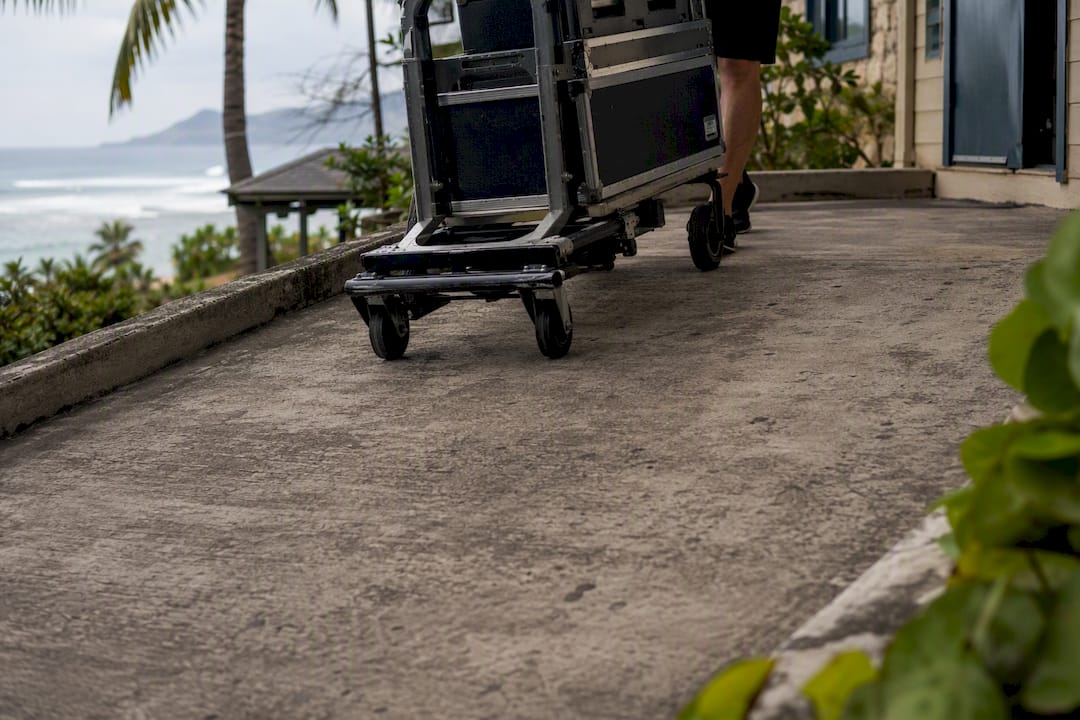
Check for a ramp grade that meets ADA slope standards wherever a curb or step interrupts your route, not just at the main entrance. A ramp that’s technically present but too steep for a fully loaded dolly is still a problem on load-in day. If the venue’s freight elevator is also its accessible passenger elevator, expect scheduling conflicts during peak arrival times and ask the venue how they handle both uses at once.
Door width matters twice here: once for your equipment cases, and again for any accessible seating, stage ramps, or dance floor transitions guests will use. If your setup includes raised platforms for a DJ booth or photobooth, confirm the venue’s accessible route reaches those areas too, not just the main floor.
Ask your venue contact directly whether their accessible entrance and your assigned vendor entrance are the same door. On some older Oahu properties, they aren’t, which means two separate route checks instead of one. Building this into your site visit avoids a scramble on event day when a guest or crew member needs the accessible path and nobody’s confirmed where it actually goes.
Do Noise Rules Affect When You Can Load In?
Local noise ordinances shape load-in scheduling more than most vendors expect, especially for outdoor venues and residential-adjacent properties. Many Oahu municipalities restrict construction-level noise, which can include generator operation, power tool use, and rigging work, during early morning and late evening hours.
That matters directly for sound checks. If your load-in window starts before 8:00 AM or extends past 10:00 PM, confirm with the venue whether a full volume sound check is even permitted at that hour, or whether you’ll need to do it later in the timeline instead. Some venues build this restriction directly into their facility-use agreement rather than leaving it to city code alone.
Outdoor venues near residential neighborhoods tend to enforce this more strictly than standalone event halls. If your load-in involves generator power for lighting or sound before the venue’s main power is accessible, ask specifically whether generator noise falls under the same restriction window.
Confirm this detail during your 48 to 72 hour pre-event check, alongside your access and timeline items, so a sound check doesn’t turn into a call from venue security.
What Security Measures Apply During Load-In?
Security during load-in protects three things at once: your equipment, the venue’s property, and the vendors working the space before doors open to guests. Most Oahu venues require vendor badges or a check-in process at a specific entrance, separate from the guest arrival process later in the day.
Ask your venue contact whether vendor vehicles need a parking permit or placard visible on the dashboard during load-in. Unmarked vehicles near a loading dock are a common trigger for security to flag or tow, even when the vendor is fully authorized to be there.
For venues handling higher-value equipment or cash-adjacent operations like photobooth print stations, confirm whether the loading dock has camera coverage and whether that coverage extends to your staging zone. It usually does at larger properties like convention centers, but smaller private venues may not have coverage past the main entrance.
Keep a work order or vendor confirmation email accessible on your phone during load-in. Security staff who weren’t part of the original booking conversation often ask for it, and having it ready saves a call back to the event manager mid-setup.
Who Handles Trash and Cleanup After Load-In?
Cleanup responsibility during load-in gets overlooked until someone’s standing over a pile of empty packing crates with nowhere to put them. Most Oahu venue contracts specify that vendors remove their own packing materials, cardboard, and crates immediately, rather than leaving them for venue staff to handle after the event.
Confirm where your staging zone for empties actually is before setup starts. Some venues designate a specific holding area near the dock; others expect materials broken down and removed to your vehicle the moment you’re unpacked. Leaving flattened boxes in a hallway, even briefly, is one of the more common minor violations that shows up on post-event venue reports.
If your setup generates packaging waste that can’t leave with you immediately, ask whether the venue has a dumpster vendors can use or whether that’s strictly off limits. Some properties charge a disposal fee for vendor waste left in venue receptacles, separate from any damage or overtime fee.
Build cleanup into your teardown timeline the same way you’d build in load-in buffer time. A crew that treats trash removal as the last five minutes of the job, rather than something to plan for, tends to run late leaving the property.
How Terrifficsentertainment Handles Load-In Across Oahu Venues
Every booking starts with the same short list of questions: a floor plan, the name the COI should list as additional insured, and gate or entry instructions for the specific property. Getting those three answers before the event date cuts site time down significantly, because the crew already knows the route before the truck arrives.
Equipment gets packed by setup order, DJ and lighting cases loaded last so they come off first, photobooth and karaoke gear staged to unload without blocking the dock. Terrifficsentertainment typically requests a 60 to 90 minute load-in window and coordinates directly with the venue’s event manager or coordinator well ahead of the date, following the same setup sequence outlined in the Oahu event setup guide. Planners and hosts can also reference the full setup process for a template to compare against their own venue’s requirements.
— Terriffics
Book a Local Team That Already Knows Oahu Load-In Rules
Terrifficsentertainment is the alternative to hiring separate vendors and hoping their timelines line up. One local team handles your DJ sound and lighting, AI photobooth, karaoke, or outdoor movie setup, already familiar with the load-in rules at venues across the island, so you’re not the one explaining dock hours to a mainland rental company on the phone.
That local familiarity is what actually lowers your risk. A crew that’s already measured the freight elevator at your venue, or knows the event manager by name, sets up faster and avoids the overtime and penalty fees that come from guessing at rules on event day. Mix-and-match packages mean you’re not paying for equipment or setup time you don’t need, and fast teardown keeps you clear of hard-out penalties.
If you’re planning a wedding, graduation, school event, or corporate gathering, check availability for your date and get a quote through the karaoke rental or photobooth rental pages, or reach out directly to talk through your venue’s specific load-in requirements before you book.
Sources
Recommended
Comments