
_edited.png)

Birthday Party Workflow for Oahu Parents and Planners

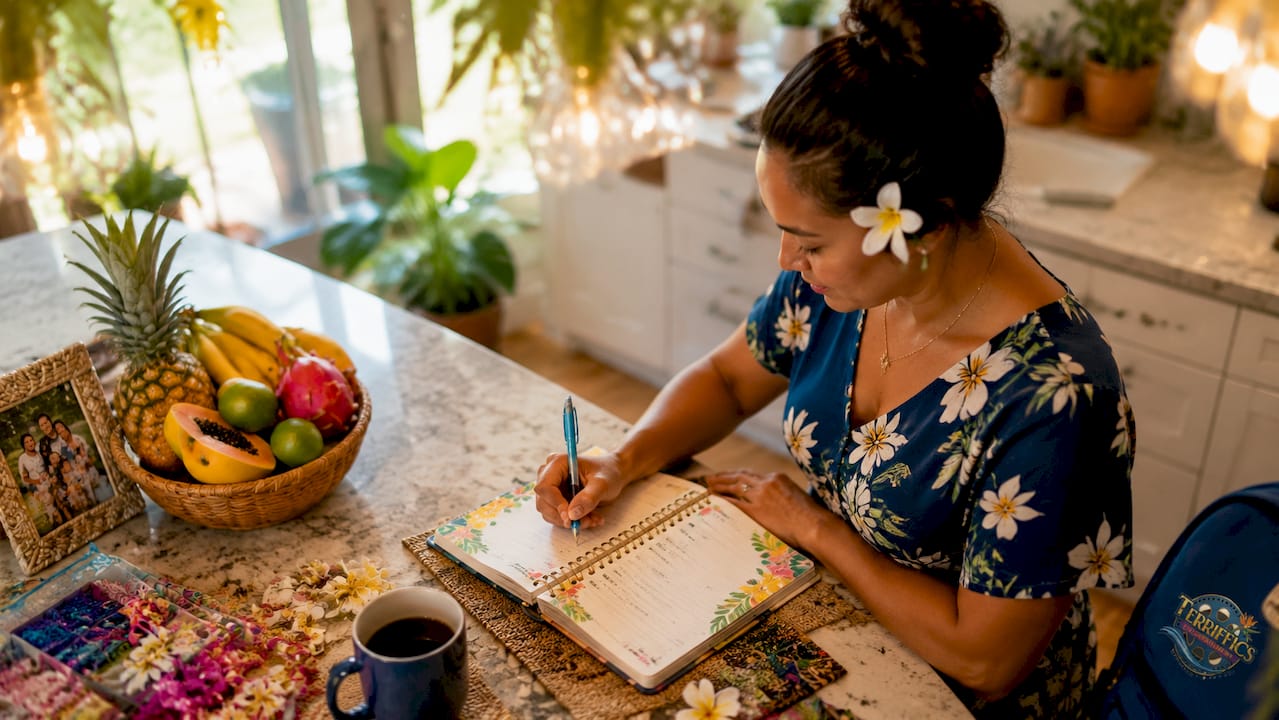
A birthday party workflow is defined as a structured, step-by-step process that guides parents and planners from early preparation through day-of execution to create a smooth, enjoyable celebration. Without a clear process, even the most enthusiastic planners end up scrambling at the last minute. On Oahu, where popular venues and entertainment vendors book up fast, a solid plan is not optional. It is the difference between a party you enjoy and one you just survive. This guide walks you through every phase of the process, from setting your timeline to managing the final farewell.
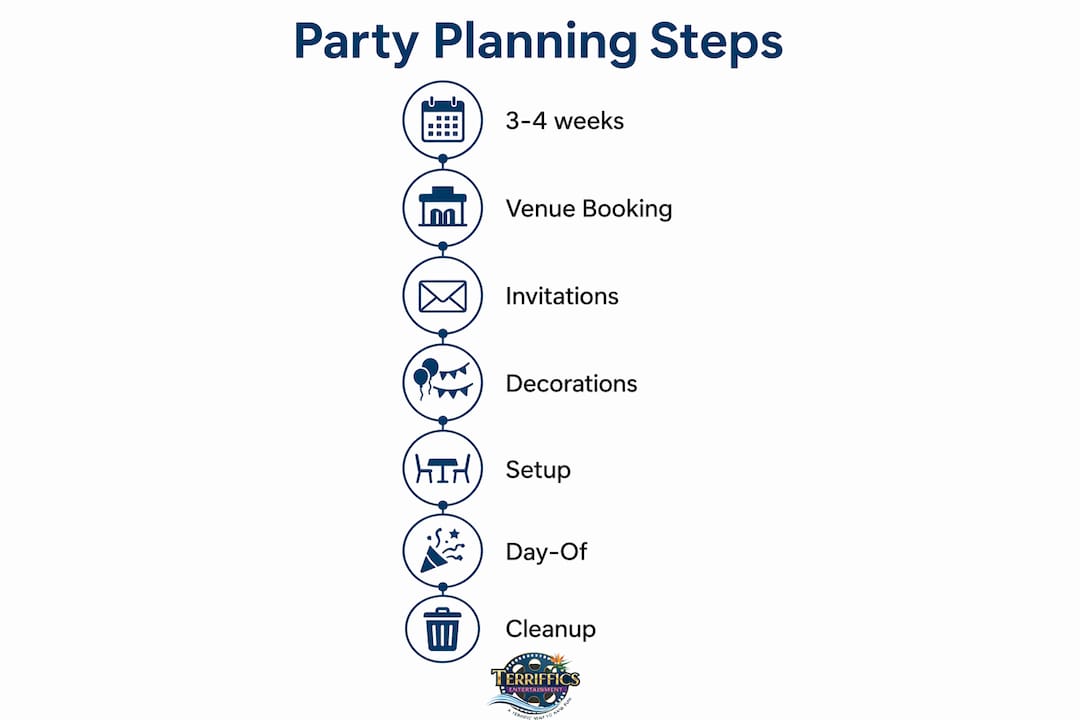
What does a birthday party workflow actually look like?
A birthday party workflow is the event planning industry’s term for what most parents call “the checklist.” The two concepts overlap, but a workflow goes further. A checklist tells you what to do. A workflow tells you what to do, in what order, by when, and who is responsible. That structure is what keeps a celebration on track from the first phone call to the last slice of cake.
The workflow breaks into three phases: pre-party planning, day-of execution, and post-party wrap-up. Pre-party planning covers your timeline, budget, guest list, venue, food, and entertainment. Day-of execution covers setup, guest flow, activities, and transitions. Post-party wrap-up covers cleanup, vendor returns, and thank-you notes. Each phase depends on the one before it, which is why skipping steps early creates chaos later.
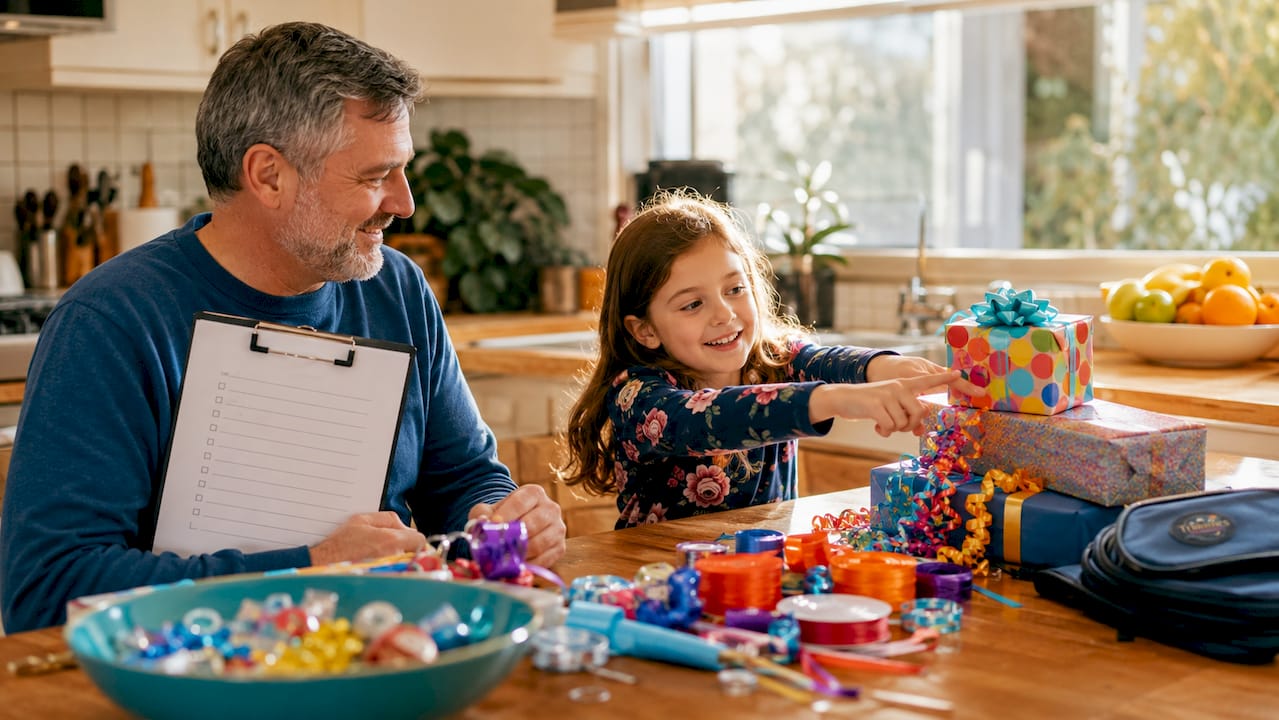
How do you build a birthday party planning timeline?
Lead times scale with guest count: 3–4 weeks for small parties (10–20 guests), 4–6 weeks for medium parties (20–50 guests), 8–10 weeks for large parties (50–100 guests), and 10–12 weeks for grand events over 100 guests. That scaling matters because every additional guest multiplies your coordination tasks. A party for 15 kids at a backyard in Ewa Beach needs far less runway than a 75-person luau at a park pavilion in Kailua.
On Oahu, venue availability is a real constraint. Popular outdoor spaces, community centers, and pavilions at beaches like Waimanalo or Ko Olina fill up weeks in advance, especially on weekends. Book your venue first. Everything else, including catering, entertainment, and decorations, gets scheduled around that anchor date.
Guest count | Lead time | Key booking deadlines |
10–20 guests | 3–4 weeks | Venue, invitations, cake |
20–50 guests | 4–6 weeks | Venue, catering, entertainment |
50–100 guests | 8–10 weeks | Venue, vendors, rentals, invitations |
100+ guests | 10–12 weeks | All vendors, permits if needed, full vendor list |
Pro Tip: Send invitations at least 2 weeks before the party and set your RSVP deadline 5 days before the event. That window gives you accurate headcounts for food and favors without last-minute guesswork.
Clear invitations with RSVP instructions reduce confusion and improve attendance tracking. A simple digital invite through a free platform works well for smaller parties. For larger events, a printed card with a QR code linking to an RSVP form keeps responses organized in one place.
How do you organize tasks and delegate roles?
A family birthday planning system improves coordination by assigning ownership and deadlines for every task. Without clear ownership, tasks fall through the cracks. Two people assume the other ordered the cake. Nobody confirms the venue deposit. The birthday child’s favorite activity gets forgotten entirely.
Divide your task list into six categories and assign one owner to each:
Guest management: invitations, RSVP tracking, dietary restrictions
Food and cake: ordering, pickup or delivery timing, serving supplies
Decorations: purchasing, setup plan, balloon inflation
Entertainment: booking confirmation, equipment needs, activity supplies
Setup: arrival time, layout plan, table arrangement
Cleanup: trash bags, return of rentals, venue walkthrough
Treating your party like a team project with clear ownership reduces stress and prevents missed details. That mindset shift is the single biggest upgrade most families make when they move from casual planning to a real workflow.
Give the birthday child a role too. Kids as young as five can pick decorations, choose a playlist, or help set up favor bags. Involvement builds excitement and keeps them engaged in the days leading up to the party.
Pro Tip: Use a shared notes app or a free digital task board so every person involved can see what is done, what is pending, and who owns each item. No more “I thought you handled that” moments.
What does a good day-of party schedule look like?
A standard 3-hour birthday party follows this sequence: setup (2 hours before guests arrive), guest arrival and mingling (30 minutes), activities (45 minutes), food (30 minutes), cake and singing (15 minutes), socializing (30 minutes), and farewells (15 minutes). That structure keeps the energy up without burning anyone out.
The setup window is non-negotiable. Two hours sounds like a lot until you are inflating balloons, arranging tables, testing a sound system, and realizing the extension cord is in the car. A 30-minute buffer before guests arrive lets you finish setup calmly and greet early arrivals without panic.
Time slot | Activity | Person responsible |
2 hours before | Full setup: tables, décor, equipment | Setup lead |
30 min before | Final checks, personal ready | Host |
0:00 | Guest arrival, mingling | Greeter |
0:30 | Activities begin | Activity lead |
1:15 | Food served | Food lead |
1:45 | Cake and singing | Host |
2:00 | Open socializing | All |
2:30 | Farewells, cleanup begins | Cleanup lead |
Assign a dedicated greeter so the host is not pulled away from setup during arrival. Assign a food lead so plates go out on time. Consistent meal timing and rest periods improve guest comfort, especially for young children who hit a wall if lunch runs 45 minutes late.
For entertainment slots, Terrifficsentertainment’s AI-powered photobooth fits perfectly into the 45-minute activity window. Guests cycle through quickly, the prints are instant, and the setup is handled before your first guest walks in.
How do you choose food, decorations, and entertainment in Oahu?
Budget allocation drives every decision in this phase. Recommended birthday budget splits are 30–40% for decorations and tableware, 30–40% for food and cake, 10–20% for entertainment, and 10–15% for favors. That framework stops you from overspending on balloon arches and running short on food.
On Oahu, local grocery stores like Times Supermarket and Foodland offer custom cakes with reasonable lead times. For larger parties, a local bakery in Kapolei or Kailua typically needs 2–3 weeks notice. Food trucks are a popular option for outdoor parties and add a fun, casual feel that fits the island vibe.
For decorations, tropical themes work naturally here. Palm leaf table runners, hibiscus garlands, and tiki-style centerpieces are easy to source at local craft stores or online. Keep your color palette simple: two or three colors are easier to execute and look cleaner in photos.
Entertainment is where Oahu parties can really stand out. Consider these options based on your guest age range and budget:
AI photobooth rental: Interactive, instant prints, works for all ages
Outdoor movie setup: Great for evening parties, especially in cooler months
Karaoke: High energy, perfect for tweens and adults
Local performers: Hula dancers or fire performers add authentic island flair
For rental ideas that fit your specific party size and theme, the party rental planning guide from Terrifficsentertainment covers setup logistics and equipment options in detail.
What are the most common birthday party workflow problems?
Vendor delays and RSVP confusion are the two issues that derail the most parties. Both are preventable with the right systems in place.
Here is how to get ahead of the most common problems:
RSVP confusion: Use a single tracking method (spreadsheet or app) and send one reminder 48 hours before the deadline.
Vendor delays: Confirm all vendors 48 hours before the party. Get a direct contact number, not just an email.
Last-minute cancellations: Build a small buffer into your food order (10–15% extra) so a few no-shows do not leave you with too little.
Setup running long: Assign a dedicated setup crew and do a dry run of your layout the day before.
Activity timing off: Keep a printed schedule visible to all role holders. One person tracks time so the host stays present.
“The parties that go smoothly are not the ones with the biggest budgets. They are the ones where every person knew their job before the first guest arrived. A clear workflow is what makes that possible.”
Treating family events like team projects with clear communication and defined roles is the most reliable way to prevent day-of chaos. When everyone knows the plan, small problems stay small.
Key takeaways
A structured birthday party workflow is the most reliable way to reduce stress, stay on budget, and create a party guests actually remember.
Point | Details |
Start with your timeline | Match your lead time to guest count: 3–4 weeks for small, up to 12 weeks for 100+ guests. |
Book the venue first | Anchor your entire workflow to the venue date before scheduling any other vendor. |
Assign clear task ownership | Give every task category one owner to prevent missed details and last-minute scrambles. |
Build a day-of schedule | Use a written hour-by-hour timeline with named role holders for setup, greeting, and cleanup. |
Budget by category | Allocate 30–40% each to food and décor, 10–20% to entertainment, and 10–15% to favors. |
What we have learned planning Oahu birthday parties
The biggest mistake I see new planners make is treating the venue booking as step five instead of step one. On Oahu, that single error can collapse an entire plan. A pavilion at Ala Moana Beach Park or a private space in Hawaii Kai fills up fast, and once it is gone, every other decision has to restart around a new date.
The second mistake is planning solo. Parents who divide tasks between two or three people consistently have better parties than those who try to manage everything alone. It is not about effort. It is about bandwidth. One person cannot track RSVPs, confirm the cake order, and manage setup at the same time.
What I genuinely appreciate about a written workflow is that it gives you permission to be present at the party. When the tasks are assigned and the schedule is printed, you are not running logistics in your head while your kid blows out the candles. You are actually there. That is the real payoff of good planning.
Oahu has its own rhythm. Vendors here are friendly and talented, but they book up and they have their own schedules. Build in extra confirmation steps and always have a direct phone number. Flexibility matters, but structure is what makes flexibility possible.
— Terriffics
Terrifficsentertainment makes your Oahu party workflow easier
Planning a birthday party on Oahu is a lot more fun when you have the right entertainment locked in early. Terrifficsentertainment serves the entire island from our Kapolei base, with fast setup, friendly service, and packages you can mix and match to fit your party size and budget.
Our photobooth rental in Oahu fits perfectly into any activity slot and gives guests instant printed memories to take home. If you want something bigger, our outdoor movie rental turns any backyard or park into a cinema under the stars. Both options come with professional setup and teardown so you can focus on your guests, not the gear. Browse our services and get a quote at terrifficsentertainment.com.
FAQ
How far in advance should I plan a birthday party in Oahu?
Lead times depend on guest count: 3–4 weeks for small parties and up to 10–12 weeks for events over 100 guests. On Oahu, book your venue first since popular spots fill up quickly.
What is the best way to organize birthday party tasks?
Assign one owner to each task category, such as food, decorations, and guest management, and use a shared digital list so everyone can track progress. Clear ownership prevents duplicated effort and missed items.
How long should a kids’ birthday party be?
A 3-hour party is the standard format and works well for most age groups. The typical schedule includes arrival, activities, food, cake, and farewells, with built-in buffers between each segment.
How should I split my birthday party budget?
Budget allocations typically run 30–40% for food and cake, 30–40% for decorations and tableware, 10–20% for entertainment, and 10–15% for favors. Decide your total first, then divide by category.
What entertainment options work best for Oahu birthday parties?
Photobooths, outdoor movie setups, and karaoke are all popular choices that work across age groups and outdoor settings. Terrifficsentertainment offers unique celebration options tailored to Oahu parties of all sizes.
Recommended
Comments