
_edited.png)

What Is Lighting Design? A Guide for Event Planners

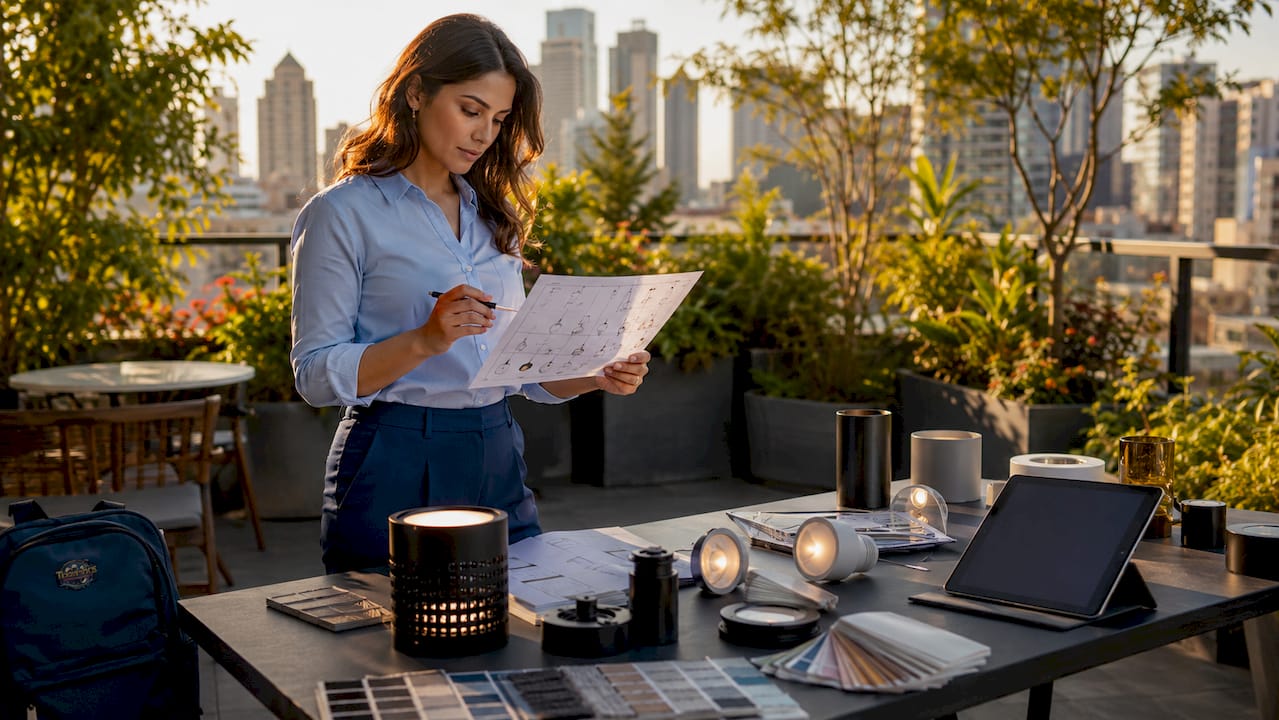
Lighting design is the intentional planning and arrangement of light sources to shape how a space looks, feels, and functions. It goes far beyond simply installing bulbs or fixtures. Good lighting design controls mood, guides attention, and makes a space usable and memorable. For event planners and individuals preparing for weddings, graduations, or community gatherings on Oahu, understanding lighting design basics is the difference between a forgettable room and an experience people talk about for years.
What is lighting design and why does it matter?
Lighting design is a deliberate craft. It uses tools like color temperature, light intensity, and fixture placement to shape how people experience a space. The industry term professionals use is architectural lighting design when applied to buildings, and event lighting design when applied to temporary setups. Both share the same core principles.
Lighting design goes beyond brightness, shaping occupant experience, health, and productivity. That means a well-lit event does not just look good. It makes guests feel comfortable, keeps energy high, and directs focus exactly where you want it.
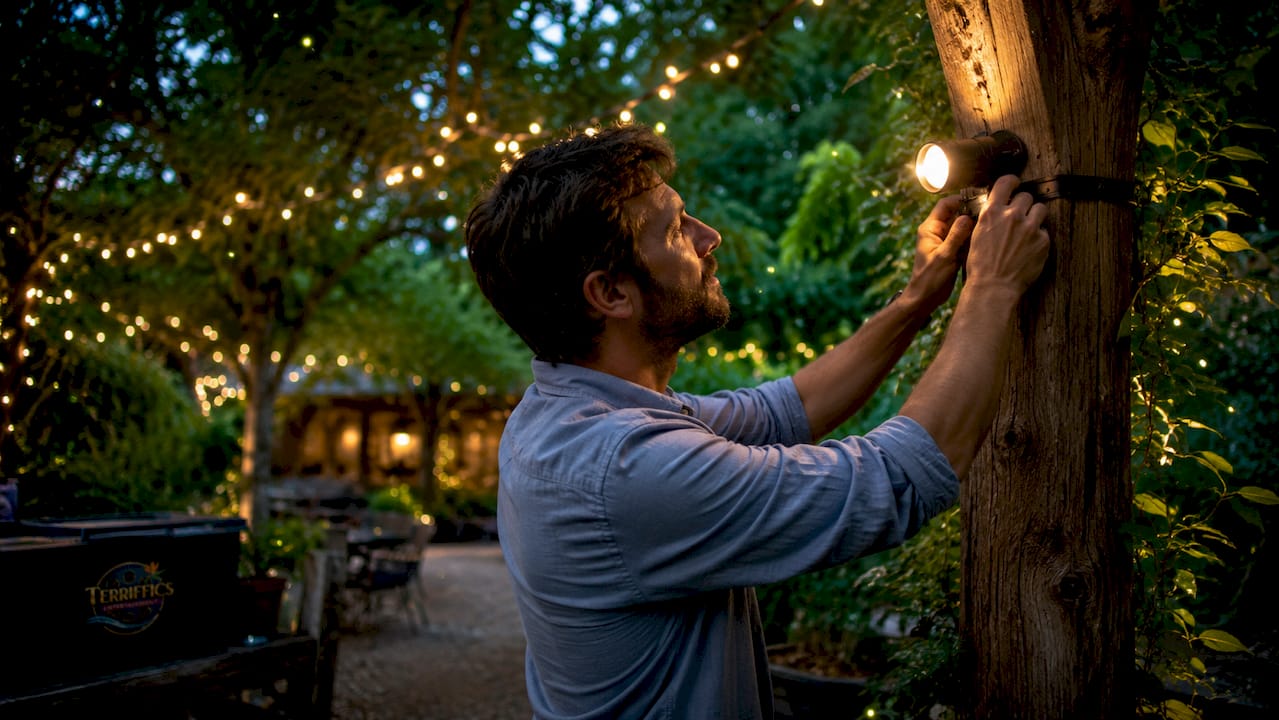
The practical unit of measurement in lighting is the footcandle (fc) or lux. 1 footcandle equals 10.76 lux, a conversion lighting professionals use to specify brightness levels for different zones. A dance floor needs different intensity than a buffet table or a ceremony altar.
Lighting design also differs from basic electrical work. Architectural lighting focuses on occupant experience, not just code-compliant illumination. That distinction matters when you are planning an event where atmosphere is everything.
What are the basic principles and elements of lighting design?
The foundation of any good lighting plan rests on five fundamentals: intensity, distribution, color rendering, glare control, and visual hierarchy. These lighting fundamentals work together to create balanced, functional, and visually engaging spaces.
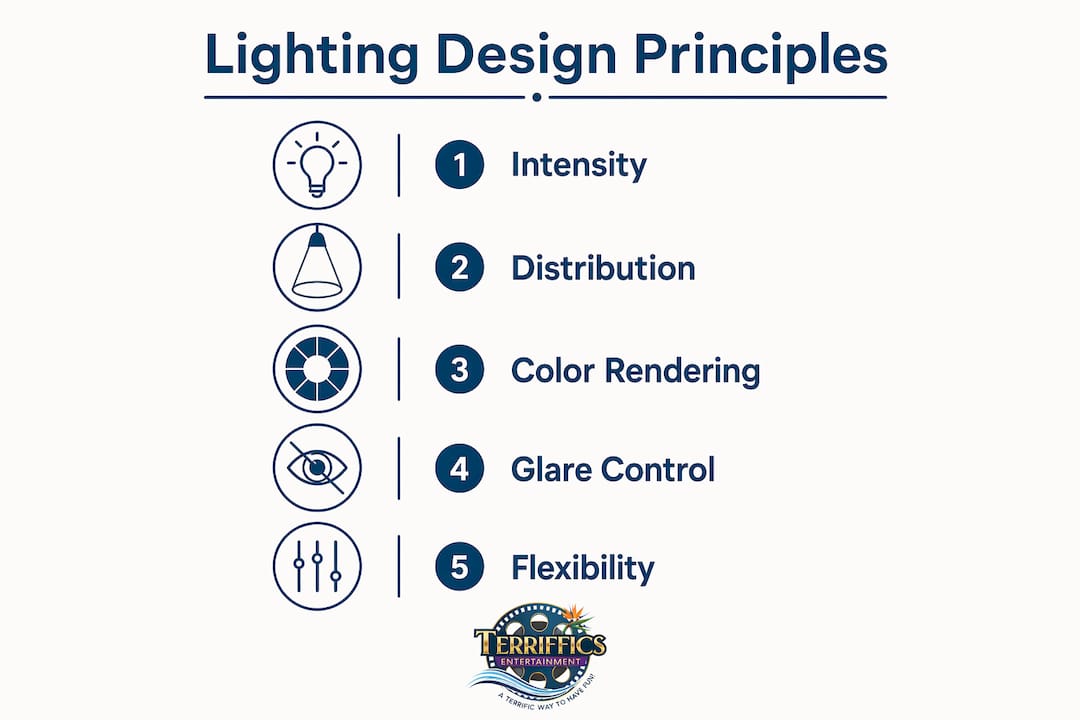
A useful framework is the Lighting Triangle. The Lighting Triangle links the light source, fixture controls, and strategic placement to create layered, effective lighting. Think of it as three legs of a stool. Remove one and the whole thing tips over.
The three layers of light
Ambient lighting is the base layer. It provides overall illumination and sets the general mood of the space. Think of overhead wash lights at a reception hall.
Task lighting targets specific work areas. A DJ booth, a catering station, or a sign-in table all benefit from focused task light so guests and staff can see clearly.
Accent lighting adds drama and depth. It highlights focal points like a floral centerpiece, a photo backdrop, or an architectural feature.
A single light source produces flat, unengaging spaces. Layering all three types creates depth, flexibility, and visual interest that a single overhead fixture simply cannot deliver.
Color temperature is one of the most powerful tools in this process. 2700K warm lighting creates intimacy in spaces like dining areas, while 4000K crisp white light promotes alertness in task areas. For a wedding reception, 2700K gives that golden, romantic glow. For a corporate presentation, 4000K keeps attendees focused and alert.
Pro Tip: When in doubt, start with 2700K–3000K for any social event. You can always add cooler accent lights for energy on the dance floor without losing the warm, welcoming feel in the rest of the room.
Why is lighting design important for events and spaces?
Lighting shapes how people feel before they consciously notice it. That is what makes it so powerful.
“Lighting is an invisible force that enhances textures and space without demanding attention to itself.” — Importance of Lighting Design
Poor lighting produces real, measurable problems. Guests squint, photos look washed out, and the space feels either clinical or dingy. Good lighting does the opposite. It makes colors look richer, materials look more luxurious, and people look their best.
Here is how lighting design affects the four key dimensions of any event or space:
Mood and atmosphere. Warm, low-intensity light signals relaxation and celebration. Bright, cool light signals energy and focus. Choosing the wrong temperature for the moment breaks the emotional tone you worked hard to create.
Perception of space. Uplighting on walls makes a room feel taller. Downlighting on tables draws guests inward and creates intimacy. Light literally changes how large or small a space feels.
Usability and safety. Task lighting at check-in tables, buffet lines, and exits keeps your event running smoothly. Guests should never have to squint to read a menu or find a seat.
Photography and video quality. Event photos are a lasting record. Flat or harsh lighting ruins photos. Layered, warm lighting makes every shot look professionally staged.
What are the main types of lighting design?
Lighting design falls into two broad categories: architectural lighting and event lighting. Understanding the difference helps you plan smarter.
Architectural lighting design is built into a structure. It includes recessed fixtures, track lighting, and permanent wall sconces. This type of lighting is fixed and designed to serve a space long-term. Energy-effective lighting balances user comfort, functionality, and sustainability rather than just minimizing power use. That principle applies directly to permanent installations where the lights run every day.
Event lighting design is flexible and temporary. It uses portable fixtures, LED wash lights, uplights, pin spots, and intelligent moving heads that can be repositioned and reprogrammed for each event. This is the category most relevant to planners booking a venue on Oahu.
Lighting type | Primary purpose | Best for |
Ambient | Overall illumination, mood setting | Entire event space, reception halls |
Task | Focused visibility for specific activities | DJ booths, catering stations, sign-in tables |
Accent | Highlighting focal points and adding drama | Centerpieces, backdrops, architectural features |
Architectural | Permanent, integrated building illumination | Venues, commercial spaces, long-term installs |
Event/stage | Flexible, programmable, temporary setups | Weddings, graduations, corporate events |
Pro Tip: For outdoor events in Hawaii, choose fixtures rated for humidity and wind. LED uplights with IP65 weather ratings hold up in open-air venues far better than standard indoor fixtures.
Flexible, layered event setups outperform fixed single-source lighting every time. They let you shift the mood from ceremony to cocktail hour to dancing without touching a single fixture manually. Smart control systems and dimmers handle the transitions for you.
How to create an effective lighting design for your event
Planning great event lighting is a process. Start early and work through these steps before your event date arrives.
Map your space first. Walk the venue and identify focal points: the ceremony arch, the head table, the dance floor, the entrance. Every focal point needs its own lighting treatment.
Layer your light sources. Plan for ambient, task, and accent lighting in every zone. Refer to the event lighting setup guide for a practical walkthrough of how to organize fixtures across a real venue.
Choose color temperatures intentionally. Match the temperature to the activity in each zone. Ceremony and dining areas favor 2700K–3000K. Photo booths and activity stations can go cooler at 3500K–4000K.
Plan your controls. Dimmers and smart lighting systems let you adjust intensity throughout the event without stopping the program. Program scene presets for ceremony, cocktail hour, and dancing so transitions are instant.
Integrate lighting early. Lighting design integrated at early project stages avoids structural and wiring complications and costly retrofits. For events, this means booking your lighting vendor before you finalize your floor plan, not after.
Use storytelling to communicate your vision. Storytelling and visualization are critical for communicating lighting effects to vendors and stakeholders. Bring reference photos, mood boards, or even short video clips to show your lighting provider exactly what you want.
Avoid common mistakes. The biggest ones: relying on venue house lights alone, skipping accent lighting, and forgetting to light the entrance. First impressions happen at the door, not the dance floor.
For a deeper look at how lighting transforms celebrations across Oahu, the event lighting overview from Terrifficsentertainment covers real setups and results from local events.
Key takeaways
Effective lighting design combines layered light sources, intentional color temperatures, and early planning to shape both the mood and function of any event or space.
Point | Details |
Layer your lighting | Use ambient, task, and accent layers together to avoid flat, one-dimensional spaces. |
Color temperature matters | Choose 2700K for warmth and intimacy; use 4000K where focus and alertness are needed. |
Plan early | Integrating lighting before finalizing your floor plan prevents costly last-minute changes. |
Event vs. architectural lighting | Flexible event lighting outperforms fixed house lighting for mood control and adaptability. |
Visualize your design | Use reference photos and mood boards to communicate your lighting vision clearly to your vendor. |
Lighting is the detail most planners underestimate
We have set up lighting for hundreds of events across Oahu, from backyard graduations in Kapolei to large wedding receptions in Honolulu. The pattern we see most often is this: planners spend weeks on flowers, catering, and music, then treat lighting as an afterthought booked the week before the event.
That order needs to flip. Lighting is the one element that changes how every other element looks. The flowers look more vivid. The venue feels more intentional. The photos come out better. All of that happens because of light, not despite it.
The mistake we see most is relying on a venue’s existing house lights. House lights are designed for general use, not for your specific event. They are almost always too bright, too cool, and pointed in the wrong direction. Layering in your own uplights, pin spots, and wash lights on top of the house lighting gives you control that the venue simply cannot offer.
One more thing: do not skip the entrance. Guests form their impression of your event in the first 10 seconds. A well-lit entrance with warm uplighting and a focused accent on your welcome sign or floral arrangement sets the tone before anyone reaches the dance floor.
The right sound and lighting combination is what turns a good event into one people remember. We have seen it happen at every scale, and it starts with treating lighting as a first-class part of your planning, not a finishing touch.
— Terriffics
How Terrifficsentertainment brings your lighting vision to life
At Terrifficsentertainment, we bring professional lighting design to events of every size across Oahu. Our DJ sound and lighting packages include flexible setups tailored to your venue, your vibe, and your timeline. We handle fast setup and teardown so you can focus on your guests, not your gear.
Our AI-powered photobooth rental pairs perfectly with our lighting setups, giving your guests a beautifully lit photo experience that doubles as a keepsake. Whether you are planning a wedding, a graduation, a birthday, or a corporate event, we mix and match services to fit your needs. Ready to see what the right lighting can do for your event? Book or get a quote today and let us help you plan something unforgettable.
FAQ
What is lighting design in simple terms?
Lighting design is the planned arrangement of light sources to control mood, visibility, and focus in a space or event. It uses tools like color temperature, intensity, and fixture placement to shape how a space looks and feels.
What does a lighting designer do for events?
A lighting designer maps the venue, selects fixture types and color temperatures, plans layered lighting zones, and programs control systems for smooth transitions throughout the event. Their goal is to match the lighting to the emotional and functional needs of each moment.
What are the three main types of lighting used in events?
The three main types are ambient lighting for overall mood, task lighting for specific activity areas, and accent lighting for focal points like centerpieces or backdrops. Using all three together creates depth and visual interest.
How early should I plan lighting for my event?
Plan your lighting at the same time you finalize your floor plan. Early integration avoids last-minute fixture placement issues and gives your lighting vendor time to program scene transitions for ceremony, cocktail hour, and dancing.
What color temperature is best for a wedding or party?
2700K warm white is the standard choice for weddings and social events because it creates a flattering, intimate atmosphere. Task areas like buffet stations or sign-in tables can use slightly cooler 3500K light for better visibility.
Recommended
Comments